
February 10, 2026
Property for sale in Ghana increasingly includes off-plan units, especially in Accra’s growing apartment sector. Buying off-plan means purchasing a home before construction finishes, based on architectural plans, 3D renders, and show units rather than completed buildings. Developers use this model to fund new projects while buyers secure units early at lower prices.
First-time buyers, middle-income families, and diaspora investors find this approach attractive because it offers flexible payment plans and access to modern homes in prime locations where ready-built stock is limited.
What Off-Plan Property Means in Ghana
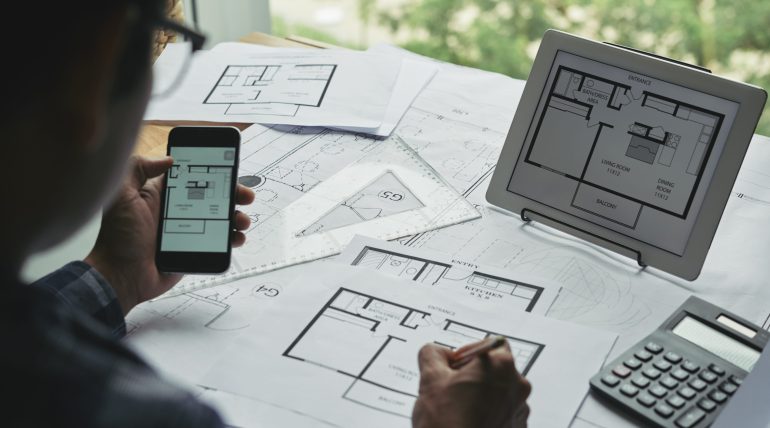
Off-plan property involves committing to buy a unit that exists only on paper or is partially constructed. This differs from buying a finished house you can inspect physically. In Ghana, buyers typically reserve units before ground breaks or during early construction when foundations and show units exist.
Payment structures follow staged schedules. You pay a reservation fee first, then a larger deposit, followed by installments tied to construction milestones like foundation completion, roofing, plastering, and finishing. Final payment happens at handover. Some developers offer monthly or quarterly installments over the build period, replacing large lump sums with progressive payments that make homeownership more accessible.
Why Buyers Choose Off-Plan Properties
Lower entry prices stand out as the primary advantage.
Developers launch off-plan units below the expected completion price to reward early buyers and secure funding. You lock in today’s price for property that may appreciate significantly by the time construction finishes.
Capital appreciation often follows.
Ghana’s urban property values in good locations have been trending upward. Many off-plan buyers see substantial value increases between reservation and completion, allowing them to build equity before they even move in.
Flexible payment plans help buyers manage cash flow.
Instead of paying 100% upfront, you spread payments over construction periods of 6 to 36 months or more. This structure benefits middle-income households and diaspora buyers who prefer staged commitments over single large transfers.
Early buyers get first choice of unit types, floor levels, views, and parking spaces.
Some developers allow limited customization of finishes, colors, or layouts if you commit early. You also receive a brand-new property built to current standards with modern layouts and amenities, reducing immediate maintenance needs and improving rental appeal.
Understanding the Real Risks
Construction delays represent a common challenge.
Funding gaps, material price changes, permit issues, or contractor problems can push back timelines. Delays affect move-in dates and rental income, especially if you planned your finances around promised completion schedules.
Non-completion or quality shortfalls pose serious risks.
Some projects stall, change specifications, or deliver units below advertised standards. Worst cases involve unfinished amenities, downgraded materials, or projects that never fully complete, leaving buyers financially exposed.
Market risk exists despite general upward trends.
If the local market cools or too much similar stock arrives simultaneously, your unit might be worth less than expected at completion. This hurts buyers who used optimistic rent or resale assumptions when making purchase decisions.
Documentation and title issues create legal headaches.
Problems with land title, overlapping claims, or missing permits can surface after you have paid significant sums. Ghana’s regulatory gaps and weak enforcement contribute to these failures.
Step-by-Step Buying Process
- Start by clarifying your budget and goals.
Decide if you are buying to live in, rent out, or hold for resale, because this affects location and unit choices. Include deposit, staged payments, legal fees, taxes, service charges, and finishing costs in your budget. - Research locations and developers carefully.
Shortlist areas with strong demand and realistic appreciation prospects. Investigate developers’ track records, completed projects, and buyer feedback. Developer reputation filters most risk. - Evaluate project details thoroughly.
Study floor plans, unit sizes, orientation, parking, and amenities. Ask for written specifications on tiles, windows, doors, and fixtures so you can verify delivery later. - Review the payment plan and contract with an independent lawyer.
Understand each payment milestone and what construction stage must be completed before each installment is due. Look for penalties if delays occur, compensation if specifications change, and clear refund rules if the project fails. - Verify title and land documentation through your lawyer.
Confirm the developer holds legitimate, transferable title and the right to build and sell units. Check registration status, search for encumbrances, and confirm planning approvals with authorities. - Monitor construction through regular updates.
Agree on communication frequency with monthly reports, photos, or site visits. Credible developers maintain transparent communication about progress and timeline changes. - Conduct pre-handover inspection before final payment.
List defects or incomplete items. Ensure the finished property matches contract promises and marketing materials. Get written confirmation of timelines for fixing issues.
Red Flags That Signal Danger
Walk away if you encounter vague or constantly shifting timelines without clear milestones. High-pressure tactics to sign immediately or resistance to independent legal review indicate problems. Developers with no completed projects, unresolved complaints, or negative reviews from previous buyers present unacceptable risk. Unclear title status, refusal to share documentation, or missing permits and approvals should stop your purchase immediately.
How Landmark Homes Ghana Protects Your Investment
Landmark Homes focuses on property for sale in Ghana with proper documentation, land rights, and approvals, avoiding speculative schemes. The company works with transparent payment plans tied to actual construction progress rather than large upfront sums disconnected from site work.
Landmark provides regular updates to local and diaspora buyers through photos, videos, and progress reports. Support extends from project selection and negotiation through legal review, completion inspection, and property management.
Frequently Asked Questions
Is buying off-plan property in Ghana safe?
Buying off-plan is safe when you thoroughly vet the developer, verify title and approvals, and have a lawyer review your contract. Most serious issues arise when buyers skip due diligence or chase unrealistic promises.
How much deposit is usually required to buy off-plan?
Most Ghanaian projects ask for 10-30% as reservation plus initial deposit, with the balance spread across construction milestones or monthly installments. Exact figures vary by developer and project.
What happens if the developer delays the project?
Well-drafted contracts specify what counts as a delay, grace periods, and penalties or remedies. If timelines slip significantly without contractual protections, buyers face extended rent or lost rental income.
Can I get a mortgage for off-plan property in Ghana?
Some banks lend against off-plan projects from reputable developers, disbursing funds in stages as construction progresses. Talk to lenders early to understand conditions and whether pre-approval is possible.
How do I know if an off-plan project is a good investment?
Assess location fundamentals, realistic rental yields, projected appreciation, the developer’s track record, and your total entry cost including taxes and finishing. If expected returns do not comfortably justify the price and risk, look for a different project.
Get Expert Guidance for Your Off-Plan Purchase
Thinking about property for sale in Ghana but not sure where to start with off-plan options? Contact Landmark Homes Ghana at +233 501 622 422 for carefully vetted developments, transparent guidance, and end-to-end support. Experience the benefits of off-plan property while minimizing risks through professional expertise and proven processes.