
May 8, 2026
Buying property in Ghana from the UK is one of the most significant financial decisions a British-Ghanaian will make. You work hard in the UK. You want something real back home. A place for parents, a retirement base, or a rental that earns while you sleep.
The problem? Too many people have sent money to the wrong person, bought land with an unclear title, or trusted a cousin who meant well but delivered nothing. This guide shows you how to do it right.
Why Ghana Still Makes Sense in 2026
UK property yields have tightened sharply. Buy-to-let returns in London now average 3-4%. In prime Accra locations like Labone, Airport Residential, and Cantonments, rental yields sit between 8-12% on the right deal. Ghana has completed eight consecutive peaceful democratic elections. The IMF rated it the most politically stable country in West Africa. For a diaspora buyer weighing risk, that stability carries serious weight.
Step 1: Define Your Goal Before You Choose a Property
Your reason for buying shapes every decision that follows.
Are you buying a home for your parents? A holiday retreat that becomes a retirement base? A pure investment you intend to rent out? Each goal points to a different property type, neighbourhood, and budget.
Set your figures in both GBP and GHS. Factor in purchase price, legal fees, stamp duty, Lands Commission registration, furnishing, and a contingency of at least 10%. Buyers who skip this step routinely overspend or stall mid-process.
Step 2: Choose Your Location Wisely
Prime Accra (Airport Residential, Cantonments, Labone, Ridge) suits buyers who want corporate and expatriate tenants, high-quality buildings, and long-term capital security. Entry costs are higher, but so is the quality of demand.
Growth zones like East Legon and Spintex offer strong middle-class rental demand, more space for your budget, and improved infrastructure. Coastal and secondary cities such as Kumasi, Cape Coast, and Takoradi offer lower entry points but thinner high-end rental markets.
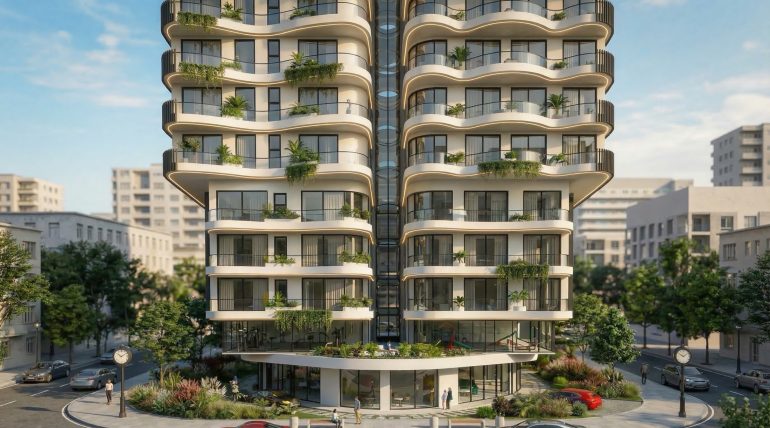
For UK-based buyers, apartments and townhouses in gated developments are the practical choice. Documentation tends to be cleaner, management is simpler, and quality developers like Landmark Homes GH provide verifiable track records.
Step 3: Build a Trusted Team on the Ground
Who you work with matters more than what you buy. Your core team should include:
A reputable developer or agency with references and completed projects you can verify. An independent Ghana-based property lawyer, not the seller’s lawyer, to run title searches and handle contracts. A property manager if you plan to rent out immediately after purchase.
Attend events like the Ghana Property and Lifestyle Expo in London. You meet vetted developers and legal professionals face-to-face, which reduces the risk of acting on WhatsApp broadcasts alone.
Step 4: Do Your Due Diligence from the UK
Ask developers for brochures, floor plans, live video walkthroughs, and Google Maps-verified locations. For any plot of land, insist on a title search at the Lands Commission to confirm ownership, encumbrances, and land classification. Check building permits and company registration. Read online reviews and ask for references from previous buyers.
Never buy based on a PDF alone.
Step 5: Move Your Money Safely
Use FCA-regulated transfer providers or direct bank transfers. Avoid sending large sums to individual accounts. Pay only to a company bank account or a lawyer’s escrow account tied to signed contracts. For off-plan purchases, structure payments around verified construction milestones, not calendar dates.
Step 6: Close Properly and Register Everything
Your lawyer should lodge the transfer, pay stamp duty, and secure registration at the Lands Commission before you consider the transaction complete. Getting your title certificate and site plan is non-negotiable. Delaying registration is how disputes start.
FAQs
Can I buy property in Ghana from the UK without travelling?
Yes. With a virtual tour, an independent lawyer, and a reputable developer, many buyers complete the process remotely. A trusted representative visiting on your behalf adds an extra layer of confidence.
How do I avoid scams?
Work only with registered companies, pay via traceable bank transfers, and hire your own lawyer, separate from the seller’s.
What is the best way to send money from the UK to Ghana?
Use FCA-regulated transfer services and ensure payments go to a company or escrow account, never to an individual.
Do I need Ghanaian citizenship to own property?
Ghanaian nationals, including dual citizens, access up to 99-year leaseholds. Non-Ghanaians are limited to 50-year renewable leaseholds. In practice, most Ghana property ownership operates on leasehold terms regardless of nationality.
Should I buy land and build or buy a completed unit?
For UK-based buyers, a completed or off-plan apartment from a reputable developer is considerably lower risk. Land and self-build requires physical presence and layers of oversight that most diaspora buyers cannot provide from abroad.
Your Next Step
Buying property in Ghana from the UK comes down to two things: process and partners. Before you send a single pound, speak to Landmark Homes GH. We work specifically with diaspora buyers and offer vetted properties in prime Accra locations, transparent payment structures, and on-the-ground support from reservation to handover.
Call us on +233 501 622 422 or visit landmarkhomesgh.com to start the conversation.